A residential septic tank typically needs pumping every 3 to 5 years, depending on tank size and how many people live in the house. Bradenton households on well-used systems, especially larger families, often land closer to the 3-year mark. Skip it too long and you risk backups, odors, or a failed drain field, the kind of problem covered on the septic tank warning signs page.
The honest answer is: it depends on your tank and your household. A 1,000 gallon tank serving two people ages differently than the same tank serving a family of six. Tank size and household size drive the 3 to 5 year window that shows up across the septic industry, and the how often septic tank pumping guide covers the same math for other property types. If you have never had your tank inspected, that is the first move, not a guess about the calendar, and the septic tank cleaning page explains what an inspection actually checks.
Bradenton's older neighborhoods often have tanks installed decades ago, sized for smaller households than what's living there now. If your system was inherited with the house and nobody has records, get septic pumping service out for a look before you assume anything about timing. A technician can measure scum and sludge layers and tell you where you actually stand, rather than relying on a rule of thumb that may not fit your tank.
Garbage disposals, laundry habits, guest volume, and even a temporary event on the property, the kind covered on the event restroom rental page, all shorten that window. A house running a disposal daily fills solids faster than one that doesn't. If you're already noticing slow drains or a soggy patch near the drain field, don't wait for the "every few years" mark. Read the septic tank warning signs page and act on what you're seeing, not just what the calendar says.
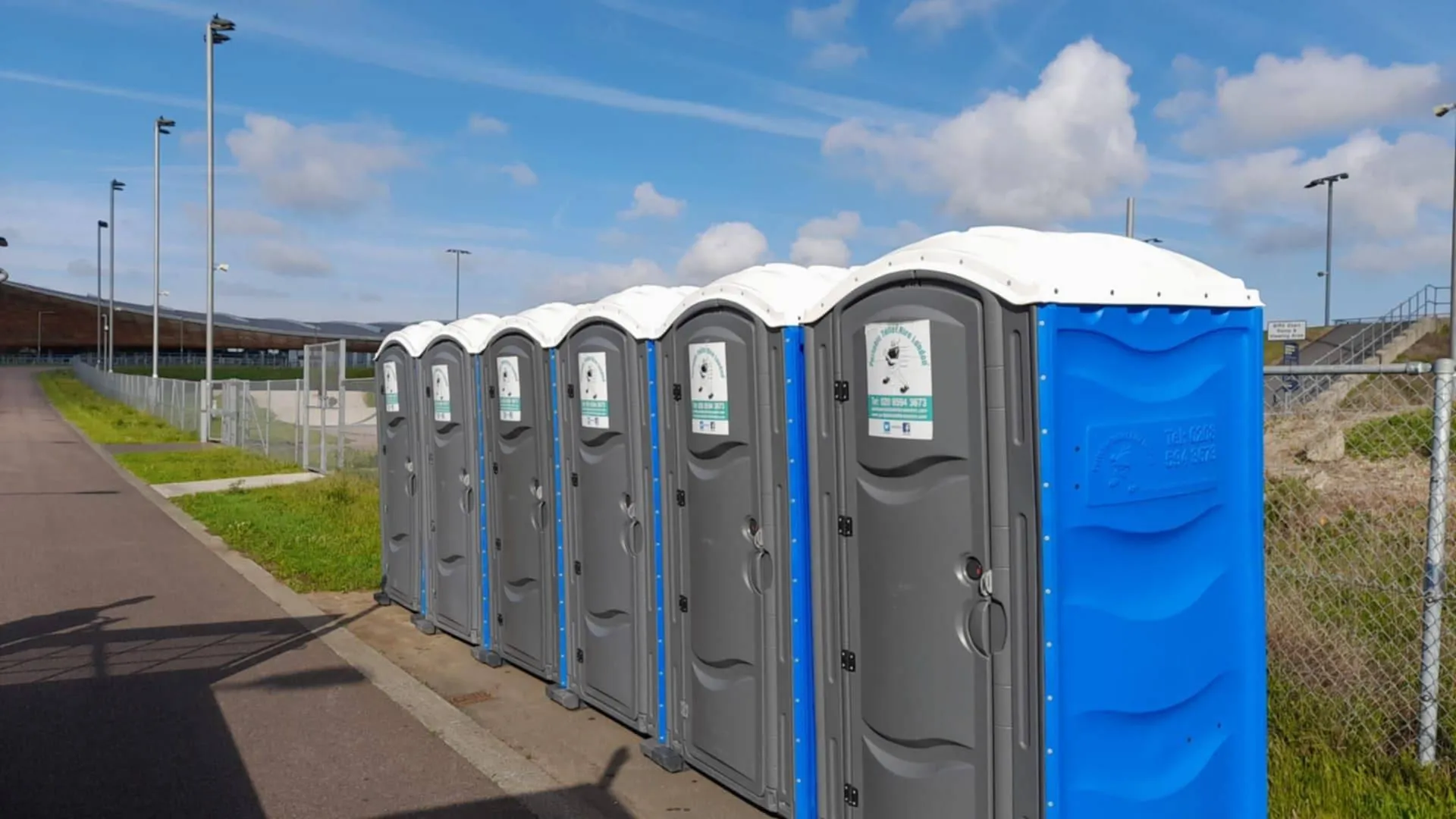
Household size, tank size, and water use are the three biggest levers, the same variables the how many porta potties do I need guide walks through for temporary sanitation planning. More people means more waste and more water moving through the system daily. A smaller tank fills its capacity sooner, so if your Bradenton home has a 750 gallon tank and six residents, expect to pump more often than the 3 to 5 year average suggests.
Grease and fats compound the problem if your household cooks a lot at home. Commercial kitchens use grease interceptors, pumped once fats, oils, grease, and solids reach 25 percent of the liquid depth, a service tracked on the grease trap pumping page. Homes don't have interceptors, but the same buildup logic applies inside a septic tank. Heavy grease down the drain shortens the interval between pumpings.
Water-using appliances matter too, and if a renovation is adding fixtures, the home renovation porta potty page covers keeping the household running during the work. A washing machine running multiple loads a day, or a hot tub draining into the system, adds volume the tank has to process. If you're weighing a temporary alternative during construction or a septic repair, a holding tank rental can bridge the gap while the system is serviced or replaced. For anyone comparing the ongoing cost of pumping against a full septic evaluation, the septic tank pumping cost page breaks down what goes into a service call in more detail than we can here.
Skipping a pumping doesn't just risk a bad smell. It risks the drain field, which is the expensive part to replace. Solids that aren't pumped out eventually work their way into the leach field, clogging soil that's supposed to filter wastewater. Once that happens, no amount of pumping fixes it, and the same drain field math applies whether the property sits in West Bradenton or closer to town. You're looking at excavation and a new field, which costs far more than a routine service call.
For homes near South Bradenton, about 2.6 miles south, or out toward Palmetto, 2.9 miles north, well and septic combinations are common outside the municipal sewer footprint. If your property relies on a private well too, an overflowing or failing septic system is a direct contamination risk to your own water supply. That's a good reason to treat the 3 to 5 year window as a ceiling, not a target, especially if your household runs on the higher end of water use, a pattern common in West Samoset and other well-and-septic neighborhoods.
If your property ever needs backup sanitation during a septic repair or drain field replacement, standard portable restroom rental or a restroom trailer rental keeps the household functional while the crew works. Bradenton Porta Pros handles both the temporary unit and the septic side, so you're not coordinating two vendors during a repair, and a porta potty rental can be added to the same visit if the crew needs it on site.
Call as soon as you notice slow drains, gurgling pipes, or standing water near the tank or drain field, don't wait for a scheduled pumping date. Those signs mean the system is already struggling, and a service call now is cheaper than a drain field replacement later.
Routine pumping on the 3 to 5 year schedule is preventive, much like the maintenance intervals covered on the portable toilet rental page for job site units. Emergency calls are reactive, and reactive septic work costs more because the crew is often dealing with an active backup, not just draining a tank on schedule. If you're dealing with a backup right now, emergency septic service gets a truck out faster than a standard appointment.
Homeowners near West Samoset, about 2.8 miles southeast of Bradenton, and Samoset itself, 3.2 miles southeast, often share similar tank ages and soil conditions, so if a neighbor just had drain field trouble, it's worth getting your own tank checked even if you're inside the normal window. A quick inspection costs far less than guessing wrong, whether you're near Samoset, Palmetto, or closer to South Bradenton.
Pricing depends on tank size, access, and how much material has built up, similar to how the dumpster rental cost page breaks down variables for a different kind of job. Get a septic tank pumping cost estimate specific to your property rather than a generic number, since access and tank condition change the job.
No. Septic pumping requires a vacuum truck and proper waste disposal that homeowners don't have access to. Call septic pumping service rather than attempting it with rented equipment, the same reason a storage container rental or temporary fence rental makes more sense than improvising on a job site.
No. A 1,000 gallon tank serving two people lasts longer between pumpings than the same tank serving six. Household size and water use both shift the 3 to 5 year range.
Solids eventually reach the drain field and clog the soil permanently. That failure isn't repairable with pumping. It usually means excavating and replacing the field entirely, a far bigger cost than routine service, not unlike the difference between routine roll-off dumpster rental service and an emergency cleanup.
Yes, especially with an older or unknown-history tank. An inspection measures actual sludge and scum levels instead of relying on the general 3 to 5 year guideline, which gives you a real answer instead of a guess.
Yes. Bradenton Porta Pros delivers how often to pump a septic tank across Bradenton and the surrounding metro, with same-day and next-day drop-off available on most orders.
Pricing depends on the unit and how long you need it. See our cost breakdown and request a free quote for an exact figure.
Standard rentals include scheduled service — a pump-out, a clean, a restock and fresh deodorizer. Busy or hot-weather sites can be serviced more often.
Call now or request a free quote — clean units, on-time delivery, transparent pricing.